
Canadian Diamonds for Every Occasion
The Short Answer
Clarity grading for diamonds is performed UNDER 10x MAGNIFICATION by a MICROSCOPE. The clarity grades for diamonds are as follows:
VVS 1: Very Very Small Inclusion(s)
VS 1: Very Small Inclusion(s)
Si 1: Small Inclusion(s)
VVS 2: Very Very Small Inclusion(s)
VS 2: Very Small Inclusion(s)
Si 2: Small Inclusion(s)
Our opinion on Clarity & what the majority of our customers have found.
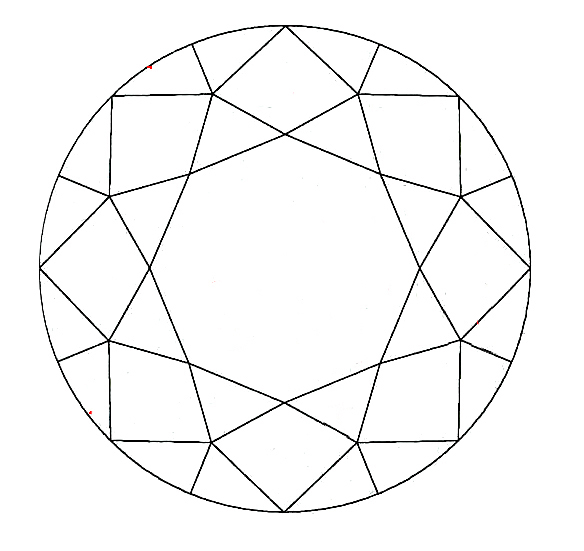
VVS 1: Very Very Small Inclusion(s)
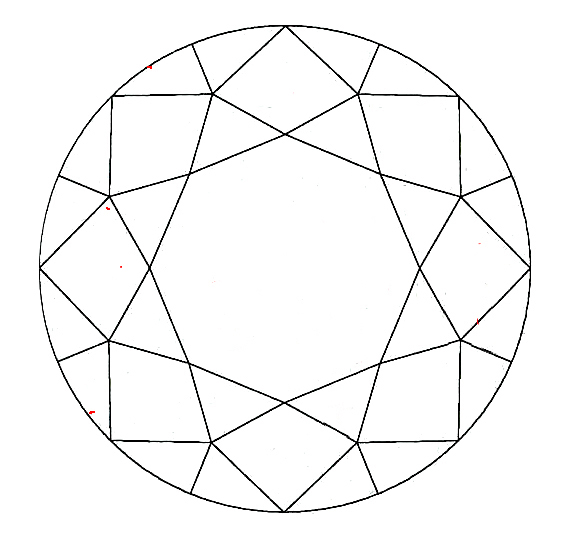
VVS 2: Very Very Small Inclusion(s)
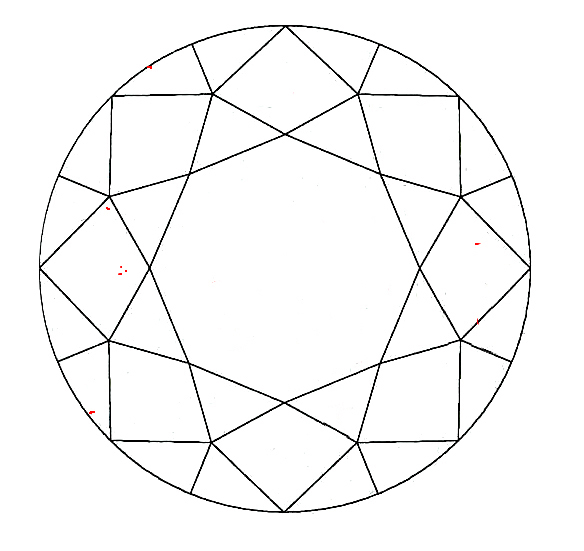
VS 1: Very Small Inclusion(s)
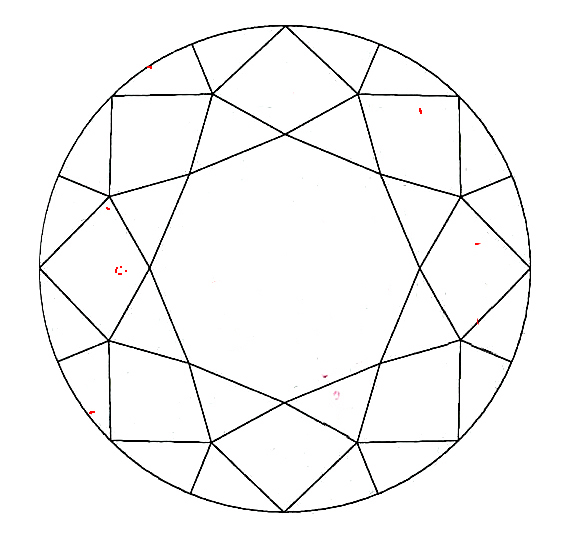
VS 2: Very Small Inclusion(s)
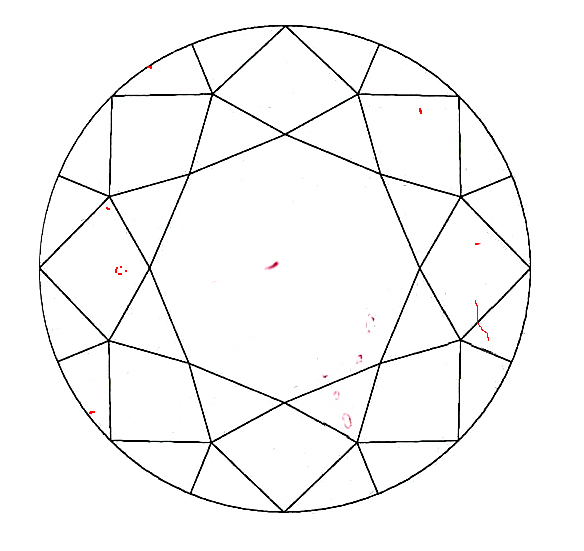
Si 1: Small Inclusion(s)
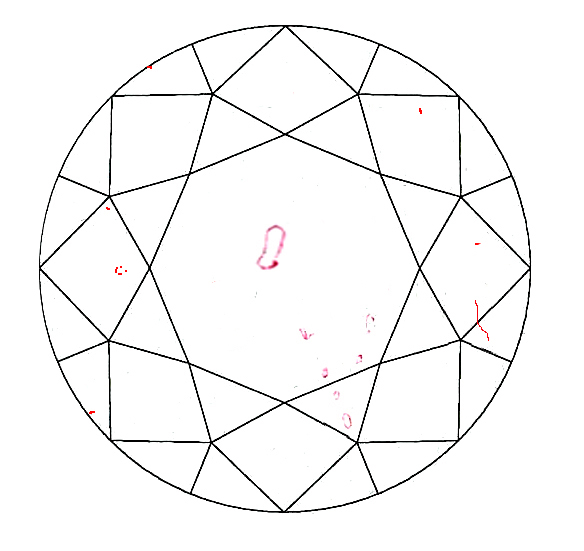
Si 2: Small Inclusion(s)
The Long Answer
Five Clarity Factors determine the overall impact that an individual clarity characteristic has on a stones appearance and grade. Those factors are:
Size Number Position Nature Relief (Contrast)
Sometimes one factor has more of an impact on the clarity grade than the others. But the relative importance of each factor varies from one diamond to the next. As an example, one inclusion off to the side of a stone would have less impact on clarity than the same inclusion(s) located directly under the table. In this instance the position is probably the determining factor.
Size
Size has a lot to do with how easy it is to see a clarity characteristic. Generally, the larger and more visible a clarity characteristic is, the lower the diamond’s clarity grade will be. In addition to affe3ctiing the grade, large inclusions might also threaten a diamond’s durability. In a diamond with inclusions of different sizes, one or two of the larger inclusions usually establish the grade if there are also smaller inclusions, they seldom affect the clarity grade.
Number
Position
Nature
NOTE: if an inclusion has the potential to cause damage to a stone, it CAN affect the grade, but this is RARE, and usually applies only to included diamonds. According to GIA, the grader probably would NOT lower the grade of a stone on this basis alone.
Color or Relief
Below is GIA’s Guide to different types of inclusions and how they might appear on a diamond’s grading certificate.
A brief description of the inclusions is below.
Internal Characteristic Definitions (Red)
Bruise:
Tiny Opening/hole accompanied by tiny, root-like feathers
Cavity:
Chip:
Cleavage:
Cloud:
Crystal:
Feather:
Grain Center:
Indented Natural:
Pinpoint:
Twinning Wisp:
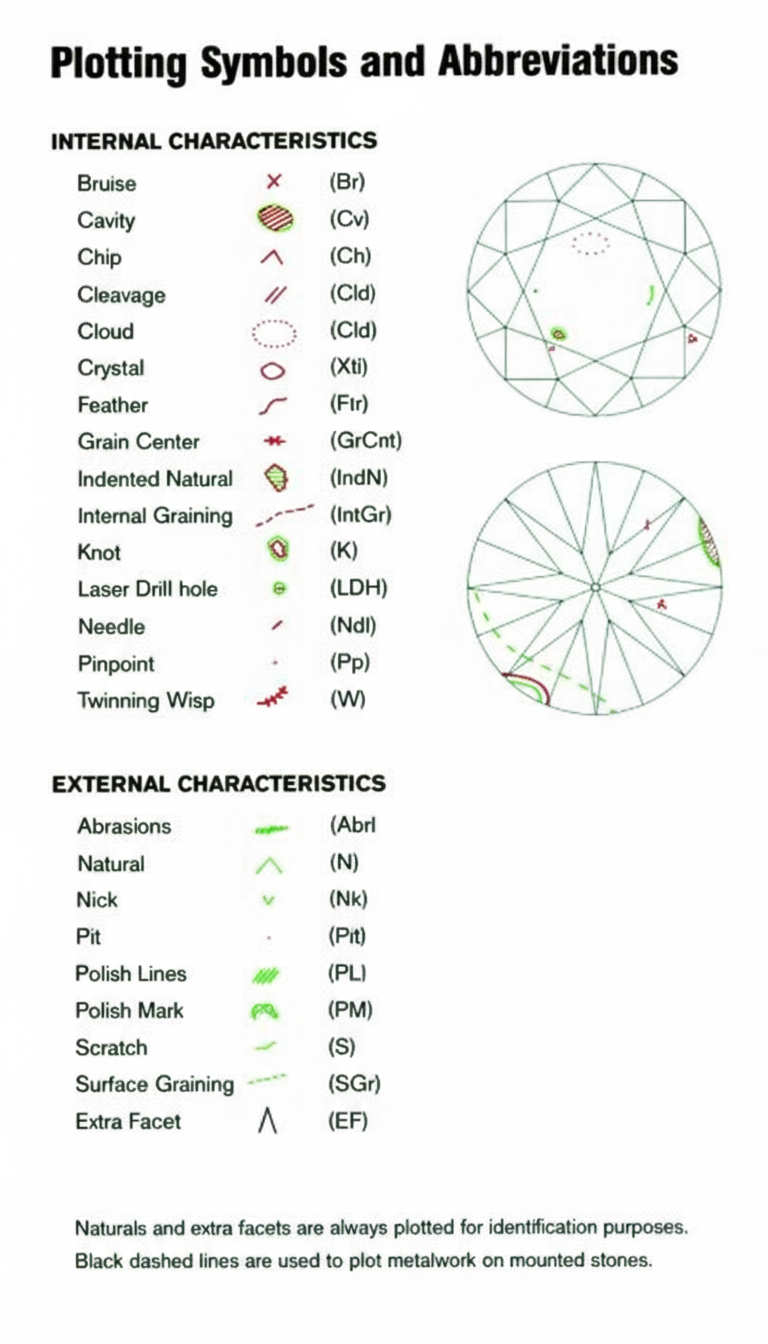
External Characteristics (Green)
Abrasions:
Polish Lines:
Scratch:
Pit:
Nick:
A small notch on the girdle or a facet edge that resembles a white dot with no apparent depth